














Vitamin B1 belongs to the B1 to B12 groups, which we refer to collectively as the B complex. All vitamins in this group should be supplemented under this name. But do I only need one of them? You need the whole group – the most important vitamins from the B group can be obtained separately.

The B vitamins were discovered in 191 by Casimir Funk, who introduced the word "vitamin", which we use so often today. B1 - thiamine (or aneurine) is water-soluble and sensitive to heat. It maintains oxygen levels in the blood and is important for sugar metabolism. It also contributes to the proper functioning of the nervous system, emphasises and supports heart health. It also has a very beneficial effect against fatigue.
Its increased intake is recommended for nicotine, arsenic or lead poisoning. If you tell yourself that you have no way to get such a poisoning, you can have a reduced amount of it even if you drink tea or coffee often and a lot. Both contain the substance tannin, which causes the absorption of B1 into our body. Thiamine - B1 can be stored in the human body in a volume of about 30 mg, which lasts us 4-10 days, so we need to take it in the diet.
B1 is found in small amounts in almost every food of plant or animal origin. If we like to eat it from food, the most vitamin B1 contains: whole grain cereals, rice, meat and fish. We find it in yeast, paddy rice, legumes, potatoes, eggs. From fruits it is grapes and plums.
Vitamin B1 deficiency is manifested by muscle pain, fatigue, lack of appetite (such a disease is called beri-beri). If the depression escalates, depression, confusion, degeneration of the cardiovascular system and muscular appear. In our country, beri-beri disease is quite rare, but you can grow it by eating foods rich in carbohydrates but poor in thiamine: husked rice, white flour, refined sugar...
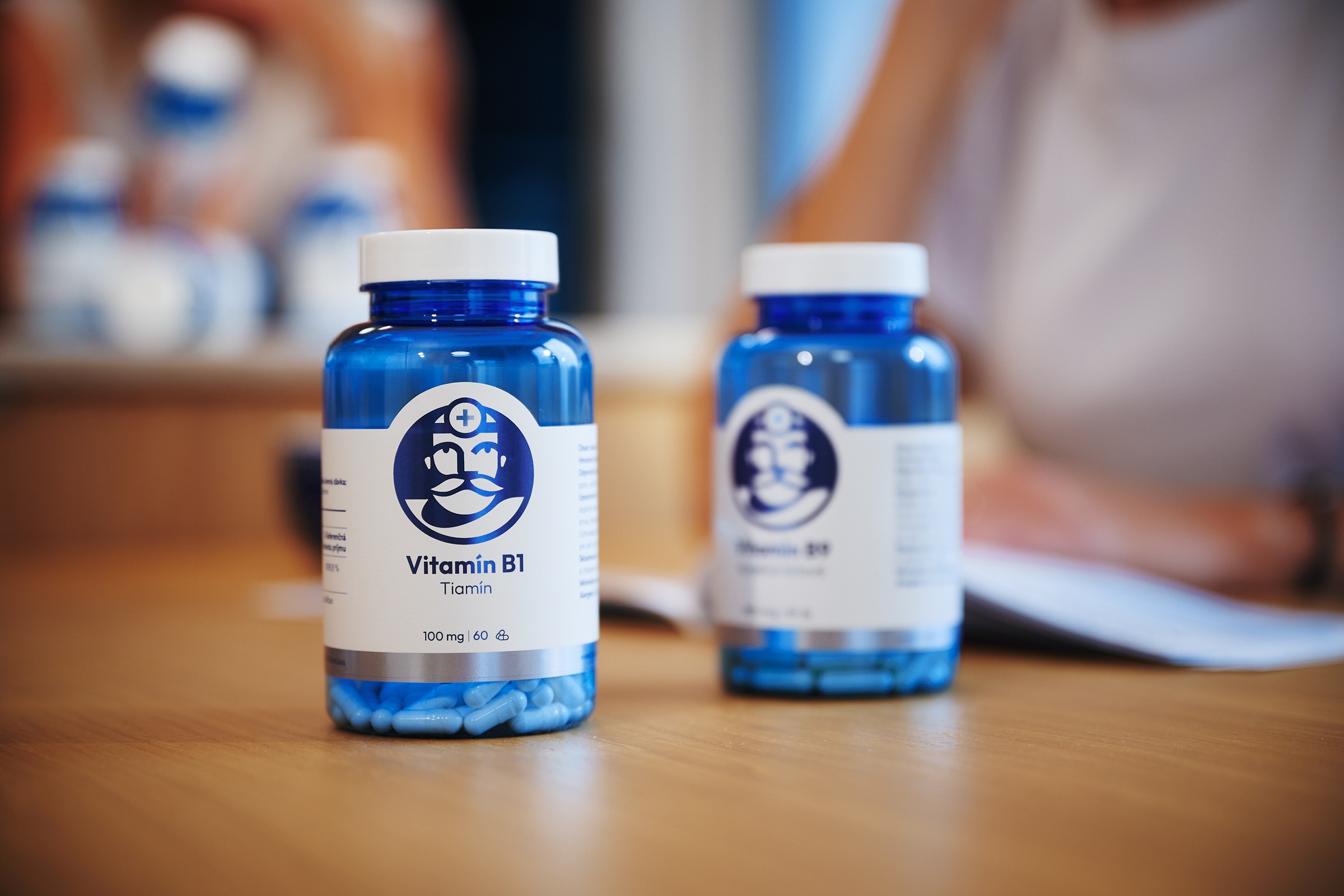
The recommended daily intake of vitamin B1 is approximately 1.5 mg for men and 1.1 mg for women (1.5 mg for pregnant women). During periods of intense physical exertion or stress, thiamine consumption increases. Overdose is virtually impossible, as it is water-soluble and excreted in urine.
B1 as a form of supplementary nutrition should special especially long-term exposed, people or heavy physical labor. Persons who suffer from fatigue and feelings of lack of energy. People who have an unbalanced diet and eat a one-sided diet for a long time. Or athletes very active people who can increase energy and especially your heart activity and muscle load